SLPs and students

aphasia.com is built around the realities of living with aphasia — how the journey changes over time, and how people and families find their footing along the way. This section brings together information and tools that support the work SLPs do within that larger journey. You’ll find resources that align with the language, guidance, and support patients and care partners encounter across the site, making it easier to extend care beyond the therapy room.

A nurse in scrubs and an older woman with gray hair and glasses, who is living with aphasia, sit on a couch, smiling and holding hands warmly in a bright, cozy living room.

Aphasia
basics

Clinical guides
and tools

Continuing
education

Resources 

Witnessing
Their Words

Aphasia basics

Types

Overviews of the main types of aphasia and how different language patterns affect communication.

Symptoms

Common language challenges associated with aphasia, across speaking, understanding, reading, and writing.

Causes

How conditions such as stroke, brain injury, and neurodegenerative disease can lead to aphasia

Therapy

Overviews of aphasia therapy approaches and strategies used to support communication across stages of recovery.

Clinical guides and tools

A speech-language pathologist sitting at a kitchen table, smiling while using a laptop and holding a blue mug. There are plants and jars in the background, with natural light coming through a window. The woman is reading a clinical guide about aphasia for speech-language pathologists.

Guides

Explore AAC device clinical guides designed to help you understand AAC fundamentals and expand your knowledge with practical strategies, resources, and expert insights.

Two women talk in a medical office. One woman sits, listening and smiling, while the other, holding a tablet, explains an aphasia assessment test. Shelves and framed art are visible in the background.

Assessments

SLPs have access to a variety of aphasia assessment tools, and we have compiled a selection of widely used resources to support your evaluation and treatment of clients with aphasia.

Free continuing education

A young, female speech-language pathologist sits at a table using a laptop, smiling. Notebooks and a pen are on the table. A circular logo for Campus by Lingraphica is visible in the background.

Campus by Lingraphica

If you’re a speech-language pathologist looking to earn ASHA CEUs or PDHs, Campus by Lingraphica offers courses for free.

We have live clinical webinars each month, as well as on-demand courses and recorded webinars you can access at any time.

Resources for you and your client

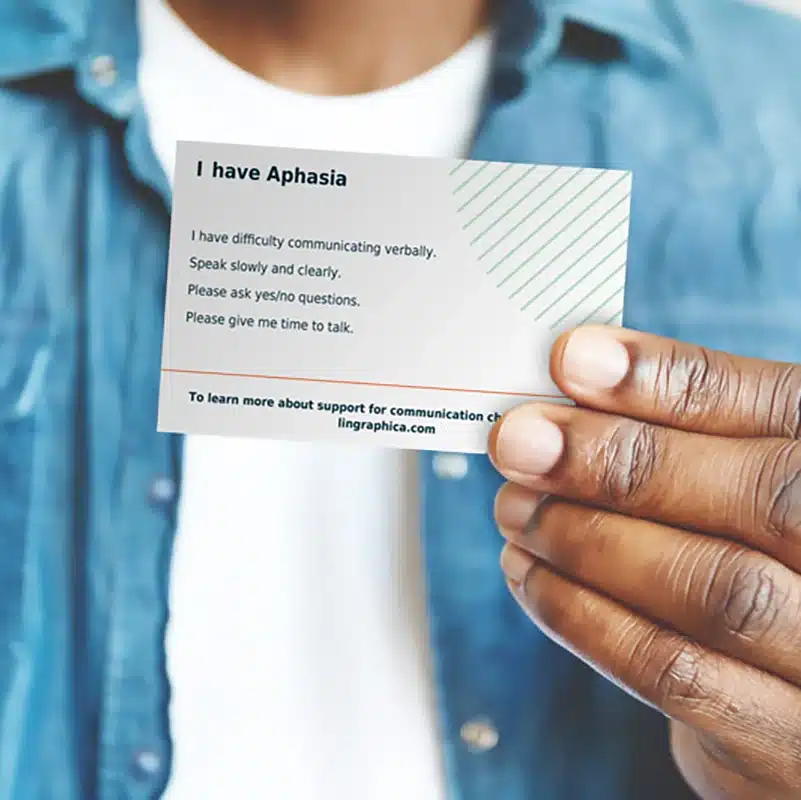
Free
communication
ID card

Printable
communication
boards

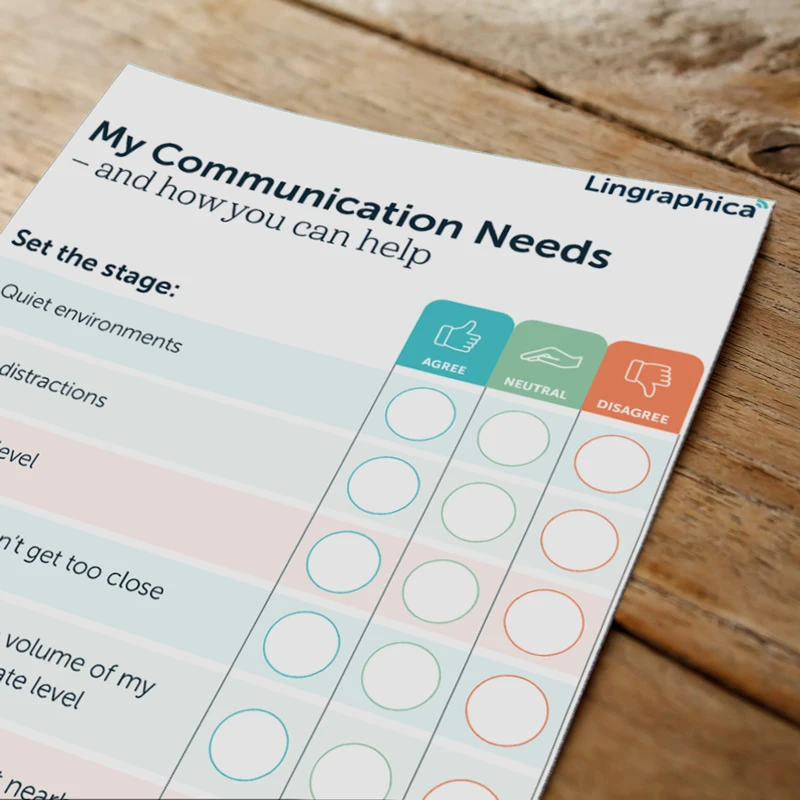
An image of the Communication Partner Checklist shows a checklist with options to agree, be neutral, or disagree, and includes prompts for quiet environments and avoiding distractions.

Partner assisted
communication checklist

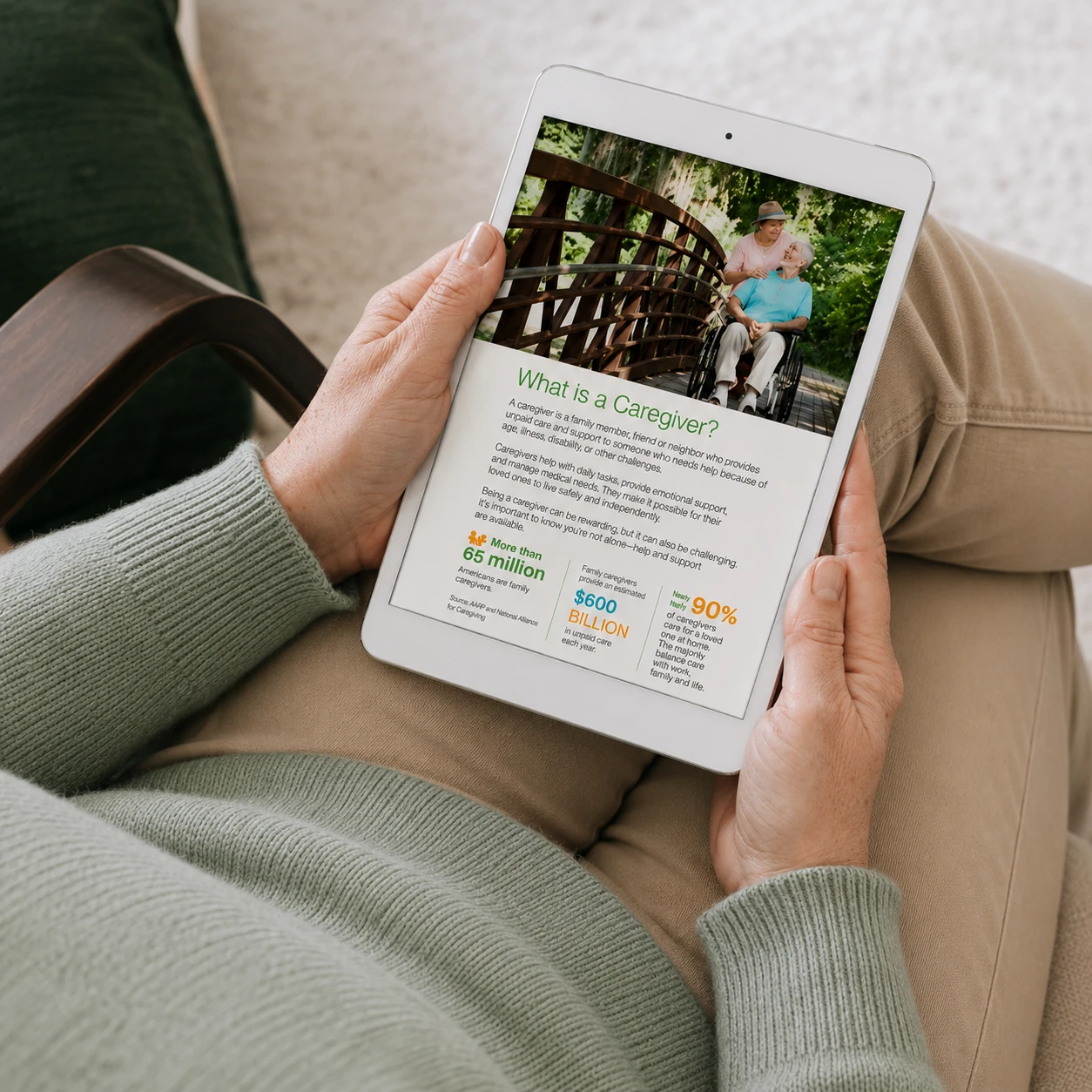
Person holding tablet displaying an ebook about caregiving for a stroke survivor, with a photo of a caregiver pushing an elderly person in a wheelchair on a bridge, and text with statistics about caregiving in the U.S.

Caregiving
for a stroke
survivor ebook

How we
communicate
infographic

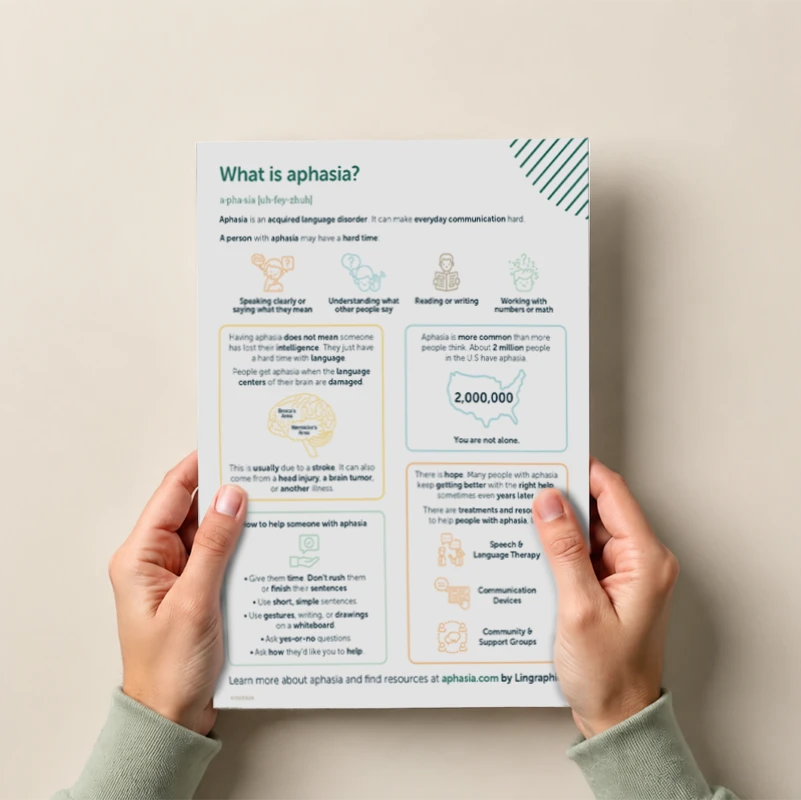
What is
aphasia
infographic

Witnessing Their Words

the sequel documentary series from Lingraphica

Speech-language pathologists have a one-of-a-kind perspective into the lives of people with aphasia. From the struggles of aphasia onset to the triumphant breakthroughs and everything in between, SLPs are there to witness it all.
Witnessing Their Words is a Lingraphica docuseries that peels back the curtain to reveal an intimate glimpse into the transformative power of speech therapy. By aiming the spotlight on these dedicated professionals, we hope to inspire others and foster a greater understanding of navigating life with a communication challenge.

Watch our stories

Image of Alex, a speech-language pathologist

Alex

Image of April a speech-language pathologist

April